
Hair loss is a common concern for both men and women, and it often affects self-confidence. Not every case requires surgery. PRP and mesotherapy are two of the best-known non-surgical treatments for strengthening hair, either at an early stage or as support for a hair transplant.
What is PRP treatment?
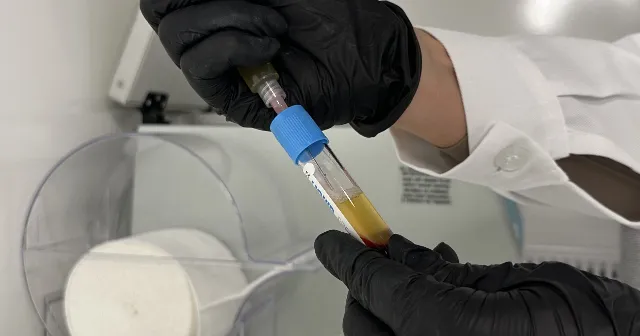
PRP stands for Platelet-Rich Plasma and is prepared from your own blood. A small blood sample is taken and spun in a special centrifuge. The plasma, rich in growth factors, is then injected into the scalp with fine needles. Because it comes from your own body, the risk of an allergic reaction is very low.
What is mesotherapy?
Hair mesotherapy delivers nourishing substances such as vitamins, minerals, amino acids and hyaluronic acid directly into the scalp through micro-injections. The goal is to nourish the hair follicles and support overall scalp health. Sessions are short, and most people return to their daily routine right away.
Why are these treatments important?
Both methods focus on strengthening the hair follicles where they are. Supporting weakened follicles that are not yet lost may help slow the progression of thinning. When used after a hair transplant, they can also support healing and nourishment of the treated area. This is why PRP and mesotherapy are often part of a long-term hair care plan.
Who are they for?
PRP and mesotherapy are commonly chosen by:
- People with early-stage hair loss or thinning
- Those who are not yet candidates for a transplant or prefer to avoid surgery
- Patients who want to support the results of a hair transplant
- Women experiencing hair loss linked to hormonal changes, stress or seasons
- People with thinning in the beard or eyebrow area
Treatment is usually planned as a series of sessions a few weeks apart, followed by maintenance sessions at regular intervals. Results vary from person to person and usually become visible within a few months.
What to keep in mind
Mild redness, tenderness or small bruises on the scalp may appear after a session and usually fade within a few days. The treatment may not be suitable for people with blood disorders, those taking blood thinners, pregnant women, or anyone with an active scalp infection. A medical assessment by a specialist is essential before starting.
Free assessment at Hairmotion Clinic Abidjan
Not sure which option is right for your hair? Our team is here to help. Send us photos of your hair, and our French-speaking team will review your case and suggest a personalized plan.